Knowing About The Sources Of Pellet Raw Material
Wood working causes serious loss of wood. At the stage of logging, the amount that goes in to waste n in the form of needles, boughs and stubs may be 40% of the original piece of wood. Studies show that a saw mill turns in to plank only 60% of the wood. The remaining 40% is wasted through hungry wood (6%), sawdust (12%), and haggs and slubs (22%). The sources of pellet raw material include rind, sawdust, roundwood, slab, shavings, and wastes from the processing of timber.
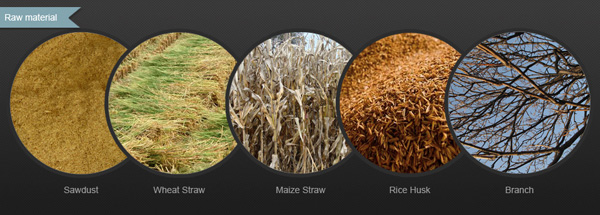
There are various factors that determine of influence the process of production or quality of pellets. One of these factors is lignin content in the wood. The lignin acts glue and bonds together pieces of wood to form pellets after being compressed in the pelletizer or pellet making machine. Higher lignin content means that the raw materials of higher quality. Another factor is fractions that do not exceed 50 mm without extra admixtures such as sand, metals, and stones. The third factor is the hardness of wood. The hardness of wood has direct influence on the unit loads consumed during splitting up, pelleting, and cutting.
The best raw materials for the production of fuel pellets are conifers (such as fir tree and pine) because of the wood softness and content of lignin. Hardwoods such as larch and birch because of their harness increase the rate of energy consumption and risk of wearing off of the grinding parts of the pellet mill. An important factor to note is that humidity is not of significant importance because it only influences the drying duration within the drum dyer.