How to Define Good Quality Biomass Pellets
In the United States and European pellet fuel market there are several industrial standards as regards the production of good quality biomass pellets. If you want to sell your pellet products in these markets, you should clearly set out their standards. If your product does not meet their standards it may not be welcome. However, generally, the quality of pellets is generally determined based on two major aspects – moisture content and mechanical durability.

MECHANICAL DURABILITY is a term that is used to describe the pellets density. Pellets of high density are more solid and lower ash content. In that state, the pellets are capable of better withstanding crash when they are being transported. The pellets that are mechanically durable have high combustion efficiency in the boiler or stove. Additionally, by previewing the surface of surface of pellets you can tell their quality. Generally speaking, the granulated pellets of high quality should have smooth surface like that of crayon with very little or where possible no cracks.
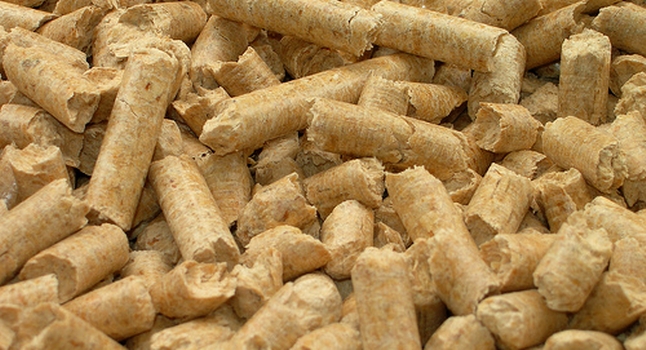
MOISTURE CONTENT describes the content of moisture in the biomass fuel pellets. Because biomass pellets have low moisture content, its energy release when it is burning is more efficient. 0% moisture content in the biomass pellet is not recommended. The goal should be to keep the content of moisture to about 10% in the final product.
Regardless of whether you want to produce biomass pellets for domestic uses or for commercial purposes, you should ensure that they meet the market standards and they are generally of high quality. If you want to make pellets for domestic uses or sale, you should acquire a modern pelletizer, pellet mill, or pellet mill that will help produce pellets with the right moisture content and density.