Advantages Of Using Ring Die Pellet Mill
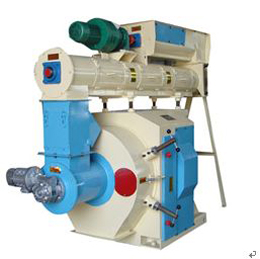
Ring die pellet mill is one of the latest invention, connected to bio energy. There are many advantages of this type of mills. First, they are more durable because iron is used for its production. Besides that, there is a timing feeder that can control the speed used in the process. If you add another force feeder the result will be increased capacity. Also, there is U screw conveyor which is typical for small pellet mills. For these special mills, it is used as the most popular motor in China with proven reputation.
Cooling System
Also, there is a cooling system that gives you the opportunity to use your machine around the clock. The temperature of the dried granules obtained after pressing, varies between 70-90 ° C. The larger force is pressed, the higher is the temperature of the granules, and correspondingly higher and their quality. Cooling of the finished product in the cooler is needed for drying and final hardening of the granules, making them suitable for storage or transport. As the refrigerant commonly used Counter coolers. Finished pellets are stored in bulk or packaged. It is widely storaged in bunkers and transported in bulk. However, to avoid deterioration of their quality, it is recommended to be packed in big bags.
In order to get better transmission performance, you should use the imported bearings and seals. In addition, there is a compensation serpentine-spring installed that makes the process safety.
Efficiency and Production Costs
The relatively high price of pellets for the moment is a result from many costs in their manufacture. A significant proportion of their value is based on the costs associated with the drying process. According to research, these costs can be reduced significantly using wood waste from sawmills, unsuitable for the production of pellets, such as bark and other wood waste in the processes of heat and electricity. Grinding of raw materials has relatively little impact on cost of production, but costs associated with pressing, also a significant proportion of the value of the pellets. Pressing is one of the main factors affecting the cost of the pellets after drying and the amount of raw material. Among the main factors affecting the cost of pressing is consumed electricity for operation of the process followed by the purchase cost of the press itself. Cooling costs of the finished pellets have a minor impact on their cost.